
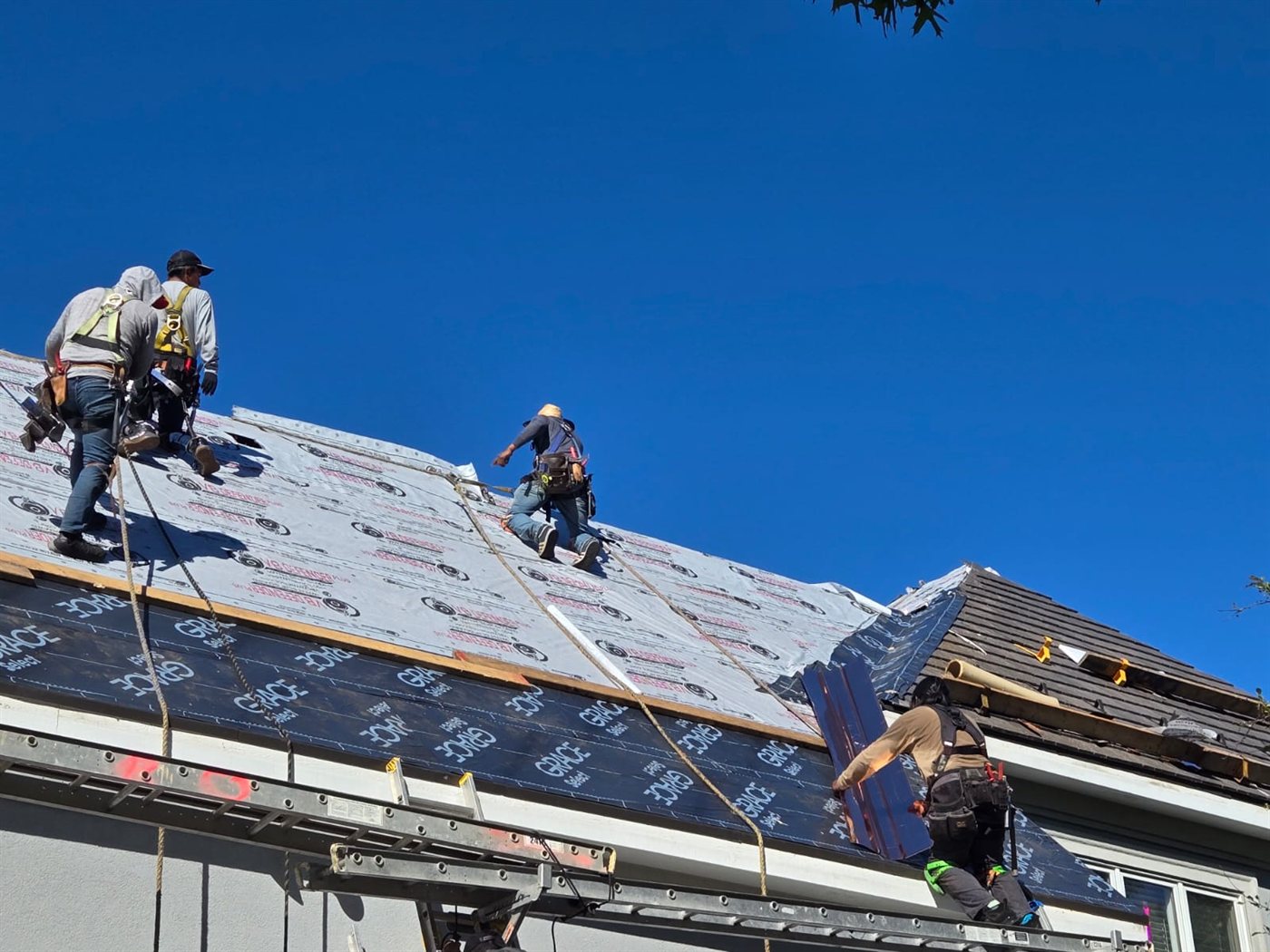

RX crew up close on a steep roof during an inspection
RX ROOFING & CONSTRUCTION · CHICAGO & SURROUNDING SUBURBS

Roof Inspection by a Local Team That Actually Gets on the Roof.

Most homeowners have no idea what's really happening on their roof. The problems that matter are not visible from the ground. A close-up inspection is the only way to get a real picture of your roof's condition, and you get a written summary either way.
01 / Why a Roof Inspection Matters

The Problems That Matter Most Are Not Visible From the Ground.

Most homeowners have no idea what’s actually happening on their roof. The problem areas that matter, like damaged flashing, granule loss, lifted shingles, hail impact marks, and early signs of decking deterioration, are not visible from the yard. A professional inspection is the only way to get a real picture of your roof’s condition.

RX Roofing & Construction provides professional roof inspections for homeowners and commercial property owners throughout the Chicago area. We inspect from the roof surface, give you a written summary of what we found, and tell you what needs attention now, what can be monitored, and what’s in good shape.

02 / When to Schedule an Inspection

Good Times to Have Your Roof Looked At.

Some inspections answer a specific worry. Others are simply smart maintenance. Here are the most common reasons homeowners call us.

After a Hailstorm or Wind Event

Hail damage often shows up as small impact marks and granule displacement that you can’t see from the ground. It can go undetected for months while the damage spreads. A post-storm inspection is the fastest way to know whether your roof was hit, and it’s the first step in an insurance claim if it was.

When Your Roof Is Aging

Asphalt shingle roofs typically last between 20 and 30 years, depending on materials, install quality, and climate. As your roof gets into that range, an inspection tells you how much life is left, whether repairs can extend it, or whether you’re getting close to replacement.

Before Buying or Selling a Home

A roof inspection before a sale protects both sides. Buyers get a documented look at the roof’s condition. Sellers avoid disputes after closing. An independent written report from a qualified contractor is more reliable than a general home inspection that only covers the roof briefly.

When You're Seeing Warning Signs

Ceiling stains, wet spots in the attic, granules collecting in the gutters, or shingles that look like they’re lifting or buckling are all reasons to schedule an inspection sooner rather than later.

For Routine Upkeep

Some homeowners book an annual or biannual inspection as part of regular home maintenance, separate from any specific concern. It’s a low-cost way to catch problems before they turn expensive.

03 / What Our Inspections Cover

Close-Up and On the Roof, Not From the Ground With Binoculars.

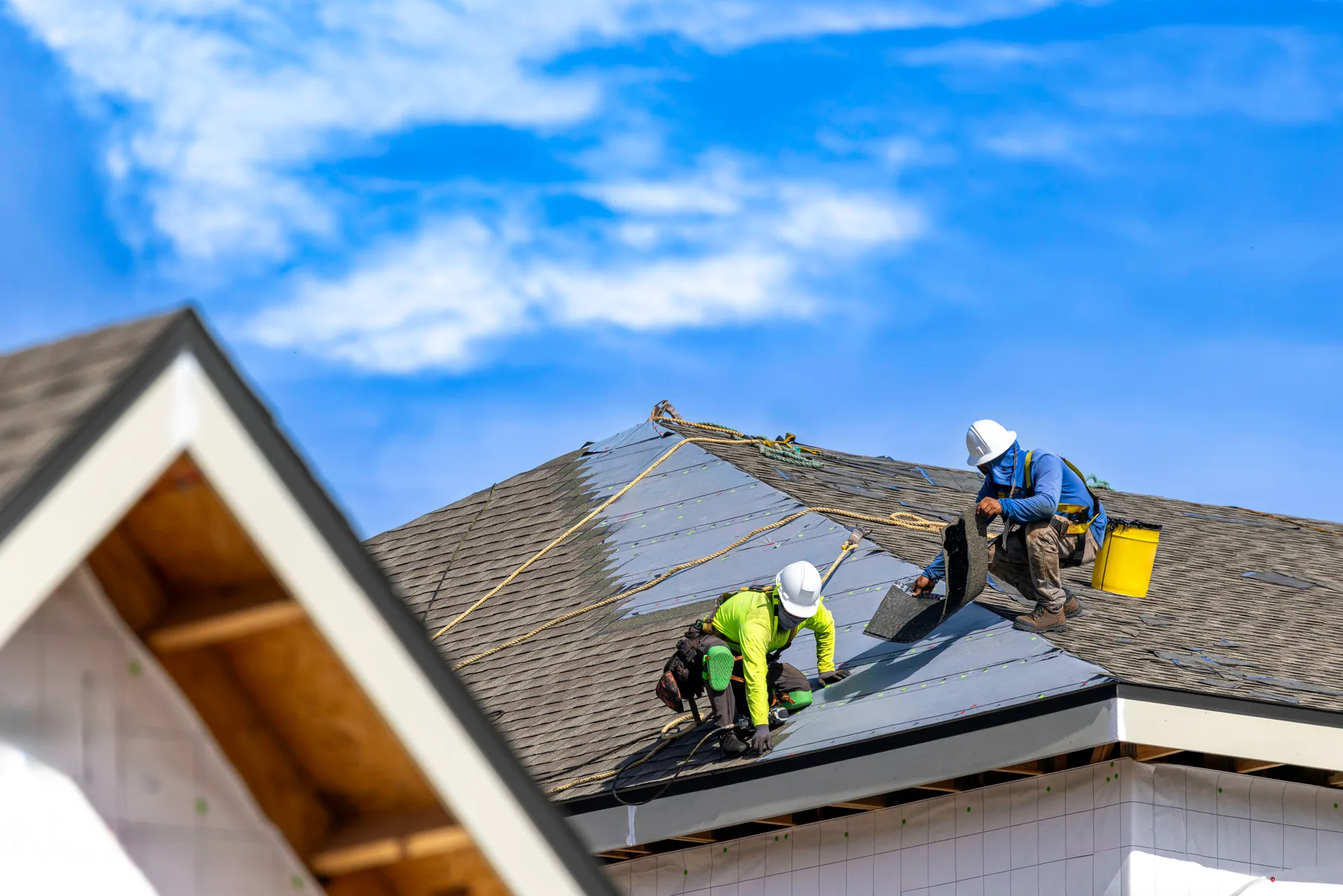
We do real, hands-on inspections. We get up on the roof and check the parts that actually fail. After we finish, you receive a written report covering what we found, what needs immediate attention, what we recommend monitoring, and what’s performing normally.

placeholder

Shingles

We check for granule loss, cracking, curling, wind lift, missing sections, and hail impact marks. On cedar shake and DaVinci composite roofs, we check for split, lifted, or deteriorated shake sections.

Flashing

Every penetration point on a roof, including chimneys, skylights, pipe boots, vent stacks, and wall transitions, is a possible leak source. We check the seal and condition of all flashing and note any that need resealing or replacement.

Valleys

High-volume water flow through valleys creates wear over time. We check for debris buildup, surface wear, and any spots where the valley material has been compromised.

Ridge and Hip Caps

Ridge caps take the maximum wind and UV exposure. We check for cracking, lifting, and sealant failure along the top of the roof.

Gutters and Downspouts

We check the condition, attachment, and signs of heavy granule buildup that point to accelerated wear on the shingles above them.

Fascia and Eave Areas

Visible deterioration or moisture damage at the roof edge can mean water is getting behind the drip edge or into the fascia.

Attic Access, When Available

We check for daylight penetration, moisture or staining on the roof boards, and the condition of insulation near the eaves.

Flat and Low-Slope Commercial Roofs

For commercial properties, we inspect membrane seams, blistering, pooling areas, and coating condition. Commercial Roofing

04 / Free Post-Storm Inspections

Recently Hit by a Storm? The First Inspection Is Free.

If a hailstorm or major wind event recently hit your area and you’re not sure whether your roof was damaged, a free inspection is the right first step. Storm inspections are also the foundation of an insurance claim.

We document all damage with photos and detailed written notes. That documentation goes directly into the claims process, and we work with your insurance company through adjuster communication and follow-up from there.

placeholder

05 / What Happens After the Inspection

You Get the Truth, and a Clear Set of Next Steps.

If we find damage that warrants repair, we walk you through the scope and your options before any work starts. Minor repairs can often be scheduled quickly. Storm damage that involves an insurance claim usually goes through a short approval window before work begins, and we handle that process for you.

If your roof is in good shape, we’ll tell you that clearly. A clean inspection is worth knowing, and it gives you a documented baseline for future reference.

If We Find Damage to Repair

For repairs identified in an inspection, our roof repair team fixes the specific problem areas at the source, from damaged shingles to failed flashing.

If Your Roof Is Nearing Replacement

For a roof that’s reaching the end of its life and heading toward replacement, our residential roofing team walks you through your material options and the full process.

06 / What to Look for When Hiring an Inspector

After a Big Storm, Be Careful Who You Let on Your Roof.

After a major storm, the Chicago area sees a surge of contractors offering free inspections. Some are established local companies. Others are traveling crews who follow storm activity and won’t be around when it’s time to honor a warranty or follow up on a claim.

Licensed and Insured

A qualified inspector should be properly licensed and insured to work in the Chicago area. Ask for documentation before anyone gets on your roof.

Local and Established

Look for a contractor based in or near your area, with a verifiable address and a real track record. We provide our credentials before we start.

A Written Report

You should never have to rely on a verbal summary and a sales pitch. We give you a written report of findings when we finish, every time.

07 / Get Started

Schedule Your Roof Inspection.

Contact us to schedule an inspection, or call or text us at (224) 518-0278. Post-storm inspections are free, and every inspection includes a written summary of your roof’s condition. We’re available Monday to Friday 7am to 7pm and Saturday 7am to 5pm.