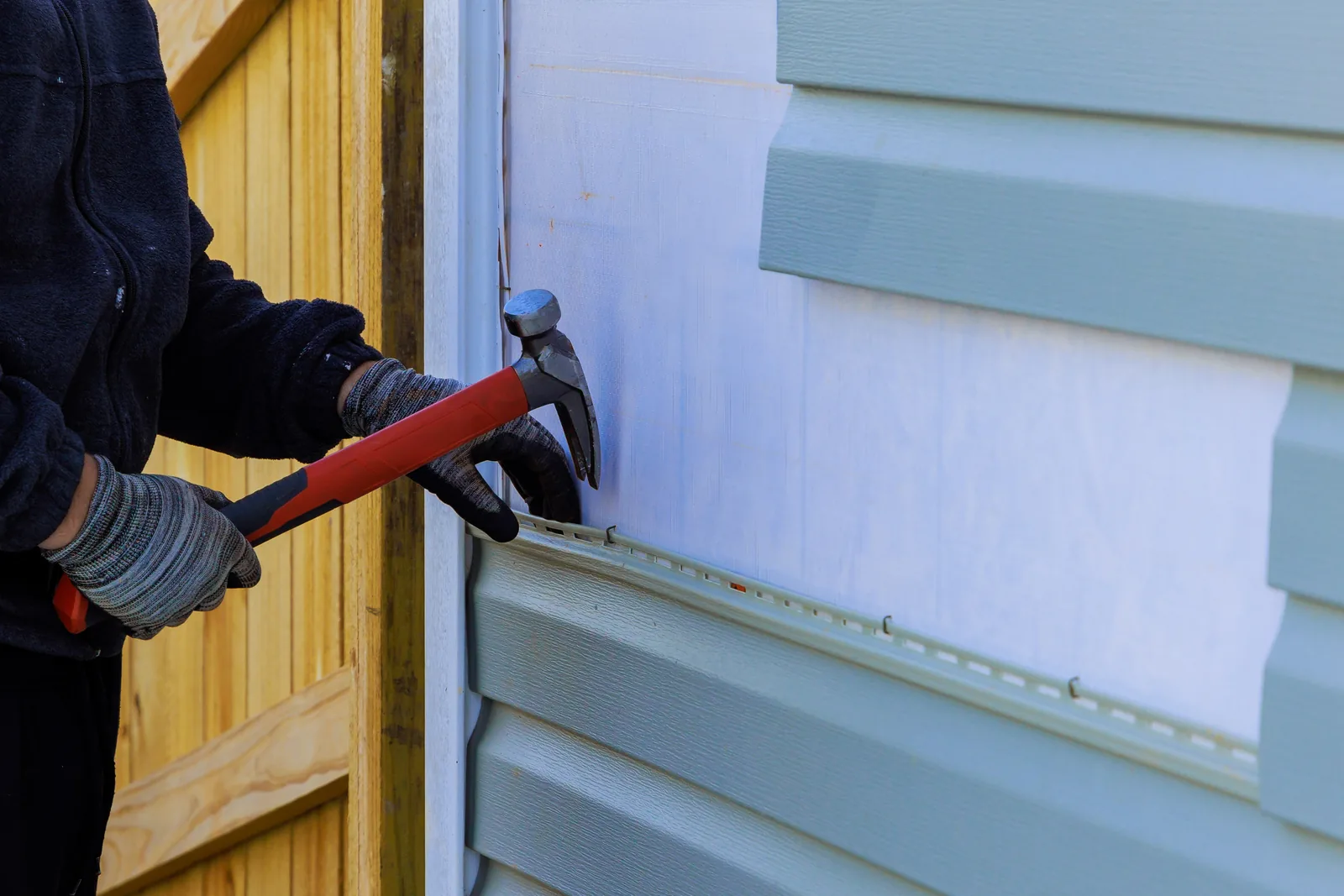
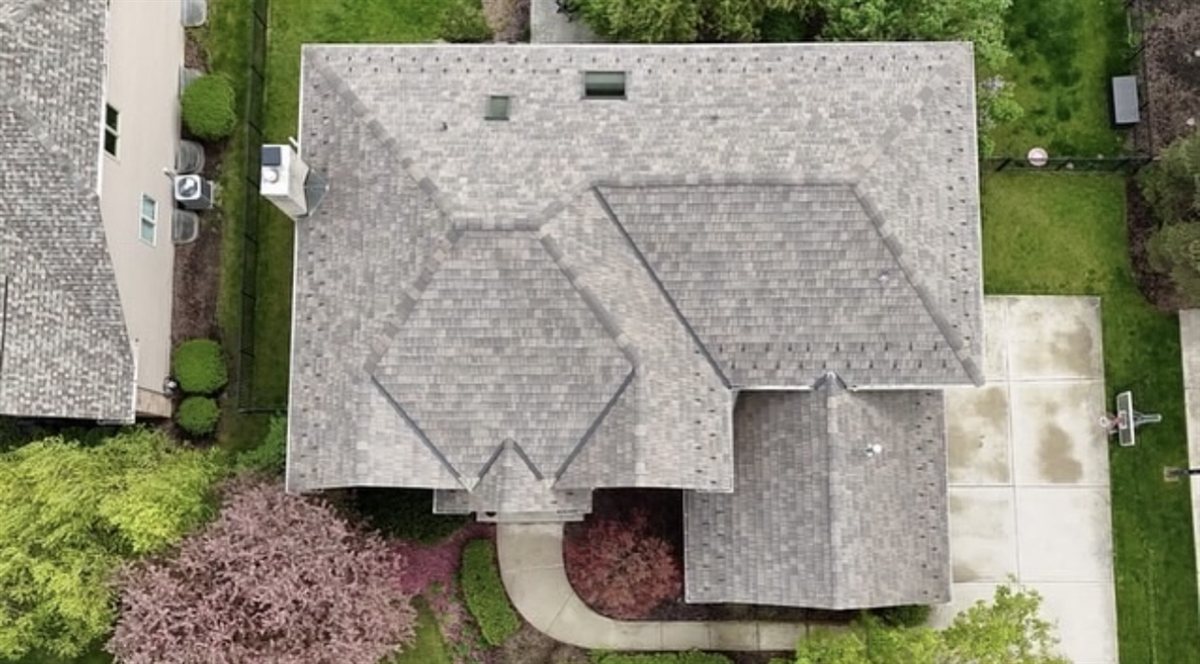

Suburban home exterior in the Chicago area
RX Roofing & Construction · Chicago & Surrounding Suburbs

Vinyl Siding for Chicago-Area Homes.

Vinyl is the most commonly installed residential siding in the country, and it earns that spot by being practical. It's durable, low on upkeep, and cost-effective for most home sizes. We install it on homes throughout the Chicago area.
01 / Why So Many Homes Have Vinyl

A Practical Material That Earns Its Place.

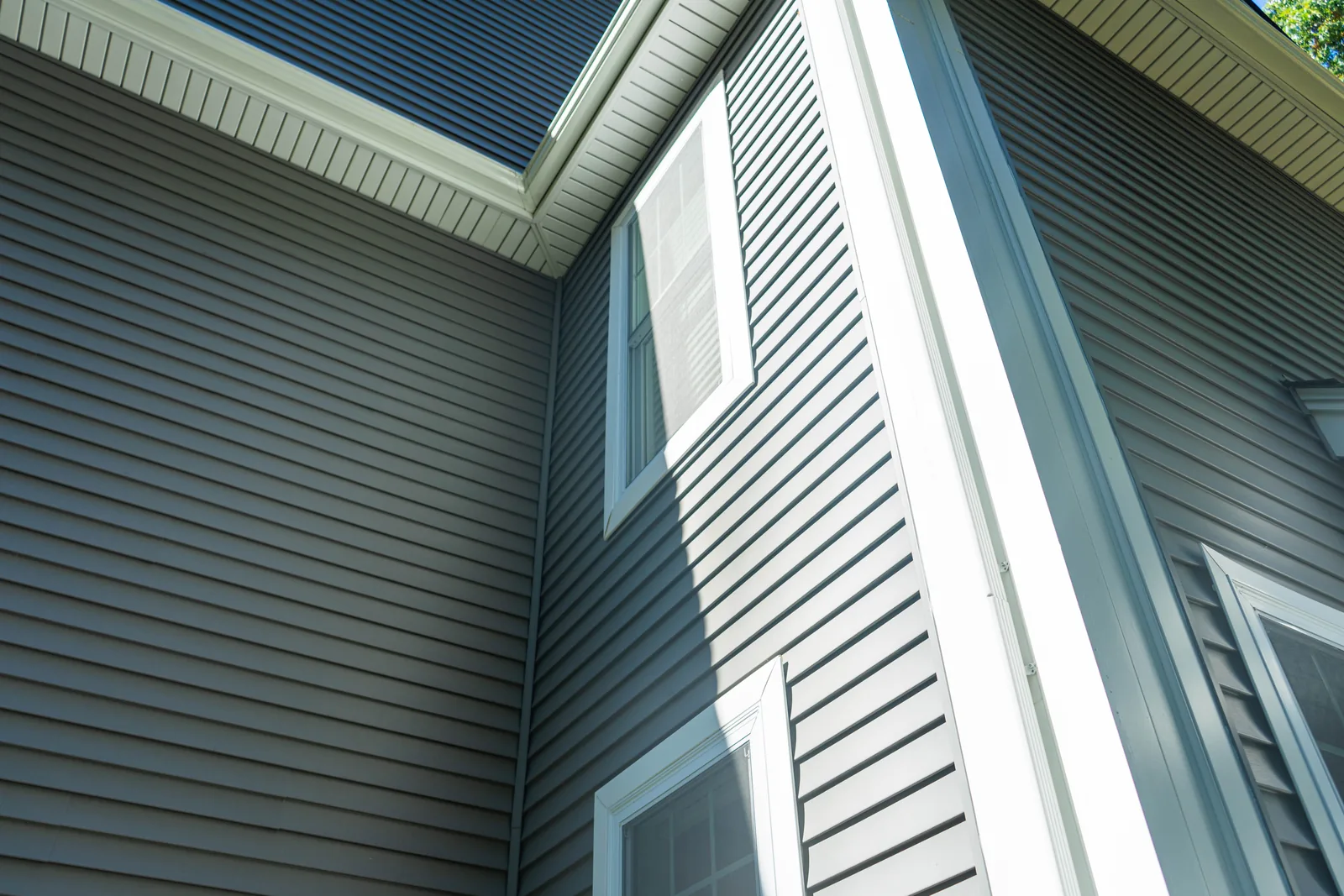
Vinyl siding is the most commonly installed residential siding material in the country, and it earns that position by being practical. It’s durable enough for the Midwest climate, low on maintenance demands, available in a wide range of styles and colors, and cost-effective for most home sizes.

For homeowners who want a clean, fresh exterior without committing to a premium material price point, vinyl is a solid choice backed by decades of real-world performance. RX Roofing & Construction installs vinyl siding on homes throughout the Chicago area. We install it with the same attention to sealing, flashing, and detail work that we bring to any siding project.

02 / What Vinyl Siding Is

Made From PVC Panels, With Color That Runs All the Way Through.

Vinyl siding is made from extruded PVC panels that are formed to replicate the look of wood clapboard, shingles, board and batten, or other traditional siding profiles. The color is integral to the material, meaning it runs through the panel rather than sitting as a surface coating that can peel or chip.

That’s one of vinyl’s practical advantages. When a panel gets scratched or worn, the color underneath matches the surface. Modern vinyl products have improved a lot over older generations. Thicker panel stock, better UV stabilizers, more realistic profiles, and tighter color consistency have made today’s vinyl a more credible option than what was available two or three decades ago.

placeholder

03 / Benefits of Vinyl Siding

Low Upkeep, Plenty of Options, Friendly on the Budget.

Vinyl checks a lot of boxes for homeowners who want a good-looking exterior without a lot of fuss. Here’s what makes it work.

Low Maintenance

Vinyl doesn’t need to be painted. It doesn’t rot. It doesn’t attract insects the way wood does. Routine cleaning with a hose or a mild cleaner is about all it asks. For homeowners who don’t want to think much about their siding, vinyl delivers.

Color & Style Options

Vinyl comes in a broad range of profiles and an extensive color palette. Whether your home calls for traditional horizontal lap, a more textured shake profile, or vertical panels, there’s a vinyl option for it.

Cost-Effective

Vinyl costs less than fiber cement or brick on a per-square-foot installed basis. For large homes, or when budget is a priority, the difference is meaningful.

Built for the Climate

Vinyl handles the Midwest’s freeze-thaw cycling reasonably well. Quality products are designed to flex slightly with temperature changes rather than crack. It performs best when installed with the right expansion gaps that allow for that movement.

The Honest Trade-offs

Vinyl Is a Practical Material. It's Not a Premium One.

We'd rather tell you the trade-offs up front than have you find out later. Vinyl can be dented or cracked by impact. It's more susceptible to that than fiber cement or brick, and large hailstones can crack panels or a hard knock from a ladder or debris can break a section. Repairs are straightforward, but they involve matching, which gets harder as the material ages and the color fades. Up close, quality vinyl reads as a manufactured material, even though it looks good from the street or in photos.

Dark colors in direct sun can absorb a lot of heat, which on standard framing can cause some waviness if it's installed without proper ventilation allowance. And unlike fiber cement, you can't repaint vinyl later to change or refresh the color, so the color is fixed when you choose the material.

  • Dents & Cracks From Impact
  • Reads as Manufactured Up Close
  • The Color Is Fixed When You Choose It

04 / When a Different Material Fits Better

If Those Trade-offs Matter, We'll Say So.

Vinyl is the right call for a lot of homes, but not every home. If those trade-offs matter for your property, fiber cement siding offers a step up in material quality. It’s harder, holds paint, and stands up to impact better. See our fiber cement siding page for a side-by-side comparison.

For the most durable option, brick siding is hard to beat once it’s installed properly, and it asks for the least ongoing maintenance of the three. See our brick siding page for the details. Because we install all three materials, we give you a straight recommendation instead of pushing the one we happen to carry.

05 / Vinyl Siding & Storm Damage

Hail Hits Vinyl Hardest of the Three.

Vinyl is the most vulnerable of the three materials we install when it comes to hail. Large hailstones crack and puncture panels, and the damage can cover large areas of a home’s exterior after a significant storm.

When that happens, the damage is typically covered under a homeowners insurance policy. We document hail damage to vinyl siding with photos and written assessments that support the claim, and we work with your adjuster through the process so you’re not handling it alone.

placeholder

06 / Is Vinyl Siding Right for Your Home?

A Strong Fit for Most Standard Homes.

Vinyl is a well-performing, practical choice for most standard residential homes in the Chicago area. It’s the right call when durability, low maintenance, and cost-effectiveness are the priorities, and when the home’s architecture doesn’t require a premium material aesthetic.

Some homes do call for a more premium material, whether because of their architecture or the character of the existing exterior. In those cases, fiber cement or brick may be the better fit. Either way, we’ll give you a straightforward comparison based on your specific home when you contact us, so you can decide with the full picture in front of you.

07 / Common Questions

Vinyl Siding Questions, Answered Straight.

No. The color is integral to vinyl, meaning it runs through the panel instead of sitting on top as a coating. Vinyl doesn’t need painting, it doesn’t rot, and it doesn’t attract insects the way wood does. Routine cleaning with a hose or a mild cleaner is about all the upkeep it asks for.

Yes. Repairs on vinyl are straightforward, but they involve matching the existing panels. That gets harder as the material ages and the color fades, so an older home can be trickier to match than a newer one. If a repair won’t blend in well enough, we’ll tell you straight whether replacing the affected sections is the better call.

When the damage is storm-related, your homeowners insurance policy typically covers it, often alongside any roof damage from the same event. We document the hail damage with photos and written assessments to support the claim and work directly with your adjuster through the process.

Vinyl is the most affordable and lowest-maintenance of the three, and a strong fit for most standard homes. Fiber cement is harder, resists impact and fire better, and holds paint over time. Brick is the most durable and needs the least maintenance once it’s in. Because we install all three, we give you an honest recommendation based on your home rather than pushing one option.

08 / Get Started

Get a Vinyl Siding Estimate.

Contact us to schedule a free consultation, or call or text us at (224) 518-0278. You can also start with our instant estimate tool for a preliminary figure. For the full range of siding options we offer, see our siding page. We’re available Monday to Friday 7am to 7pm and Saturday 7am to 5pm.